Protocol
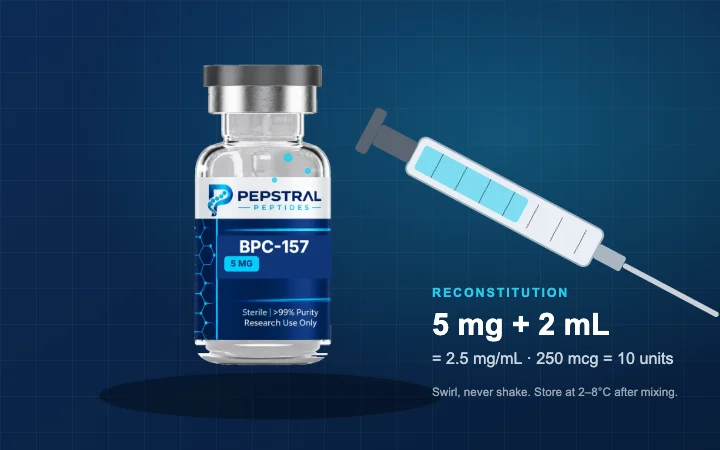
How to reconstitute a lyophilized peptide
Bacteriostatic water volumes, swirl-don't-shake, and how to read the concentration off the label.
Read the guide →
Answer-first guides written for the bench, not the sales page. Each one starts with the number or the step you came for.
Bacteriostatic water volumes, swirl-don't-shake, and how to read the concentration off the label.
Read the guide →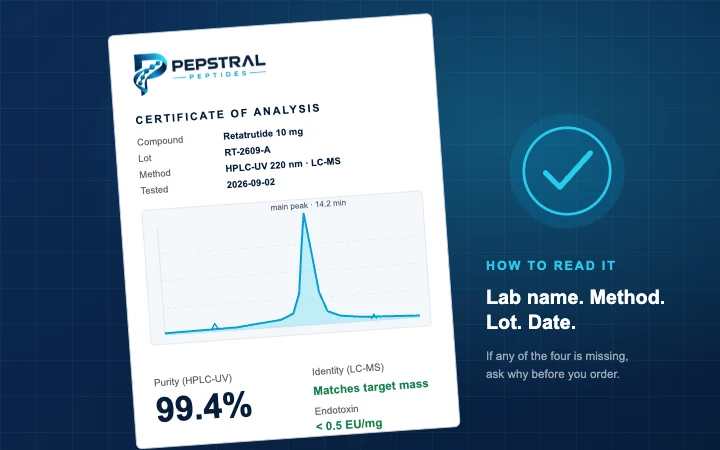
What HPLC purity, LC-MS identity and endotoxin numbers mean, and the three lines most COAs leave out.
Read the guide →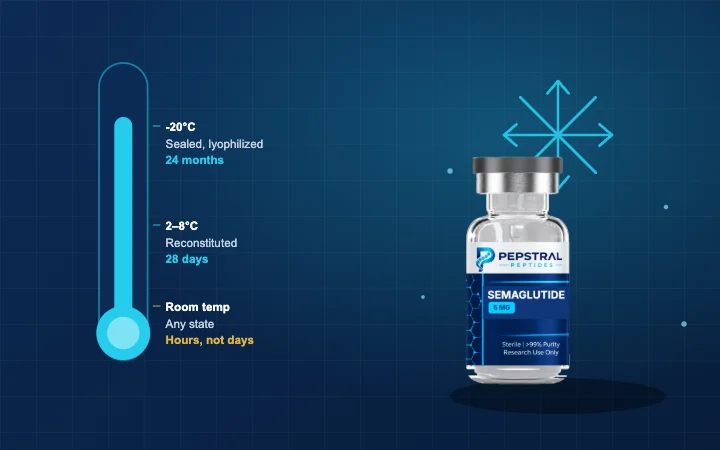
Freezer, fridge or bench: a table of storage windows before and after reconstitution.
Read the guide →One long-form guide per compound: structure, mechanism, the models it appears in, what the literature shows, handling, and references.
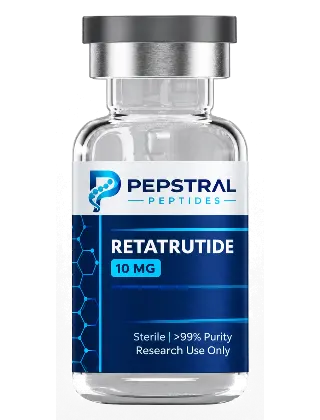
Retatrutide is a synthetic 39-amino-acid peptide engineered to activate three receptors at once: GIP, GLP-1 and the glucagon receptor.
Read the guide →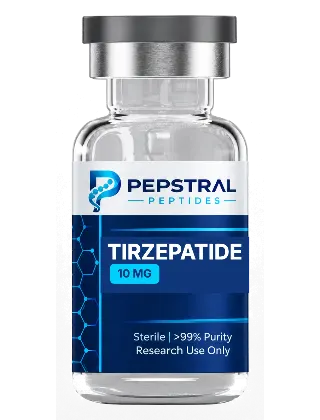
Tirzepatide is a 39-amino-acid synthetic peptide with agonist activity at both the GIP and GLP-1 receptors.
Read the guide →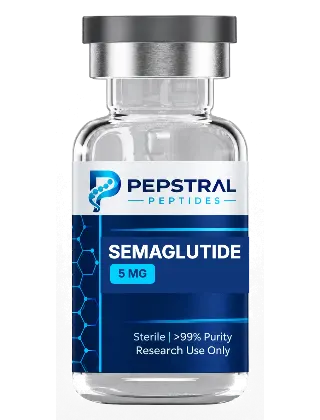
Semaglutide is a 31-residue analogue of human GLP-1 modified for a long circulating half-life.
Read the guide →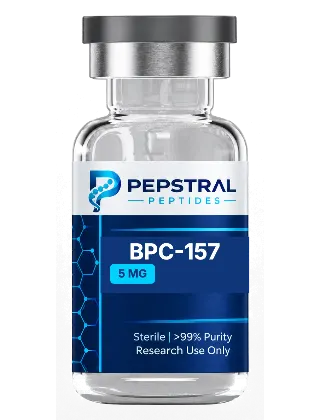
BPC-157 is a synthetic pentadecapeptide, 15 amino acids long, whose sequence derives from a protective protein found in human gastric juice.
Read the guide →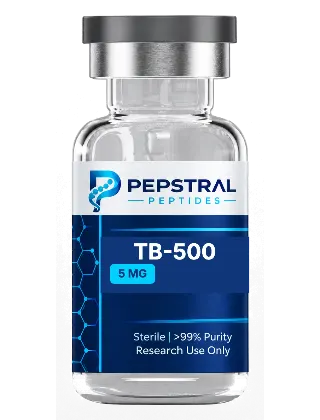
TB-500 is a synthetic peptide fragment of thymosin beta-4, a 43-amino-acid protein present in nearly every cell type that binds and sequesters actin, the structural protein cells use to move and divide.
Read the guide →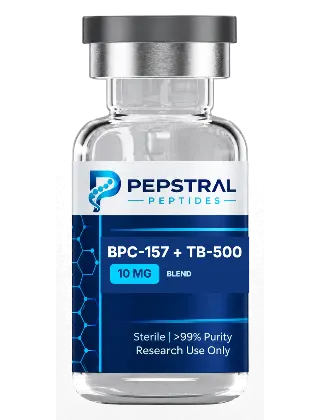
The blend co-lyophilizes BPC-157 and TB-500 in one vial at a fixed 1:1 ratio, 5 mg of each.
Read the guide →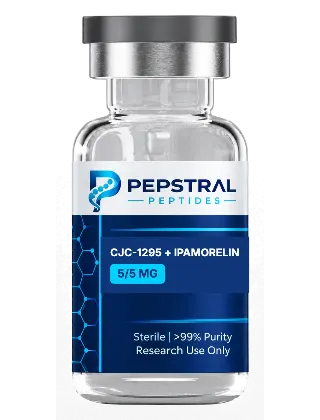
This blend combines CJC-1295 without DAC, a 29-amino-acid analogue of growth-hormone-releasing hormone, with Ipamorelin, a pentapeptide agonist of the ghrelin receptor, co-lyophilized at 5 mg each.
Read the guide →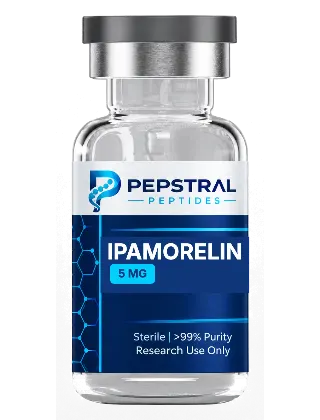
Ipamorelin is a synthetic pentapeptide and a selective agonist of the ghrelin receptor, also called the growth-hormone secretagogue receptor (GHS-R1a).
Read the guide →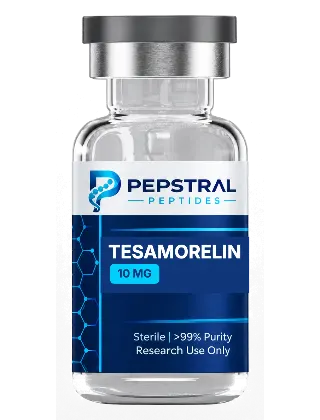
Tesamorelin is a 44-amino-acid analogue of growth-hormone-releasing hormone with a trans-3-hexenoic acid group at the N-terminus that protects it from enzymatic breakdown.
Read the guide →
GHK-Cu is the tripeptide glycyl-L-histidyl-L-lysine complexed with a copper(II) ion.
Read the guide →
NAD+ is nicotinamide adenine dinucleotide, the coenzyme at the centre of cellular energy metabolism and the substrate consumed by sirtuins, PARP enzymes and CD38.
Read the guide →
MOTS-c is a 16-amino-acid peptide encoded by a short open reading frame within the mitochondrial 12S ribosomal RNA gene, one of a small family of mitochondrial-derived peptides.
Read the guide →Buying, handling and research-design questions as they come up. All posts →
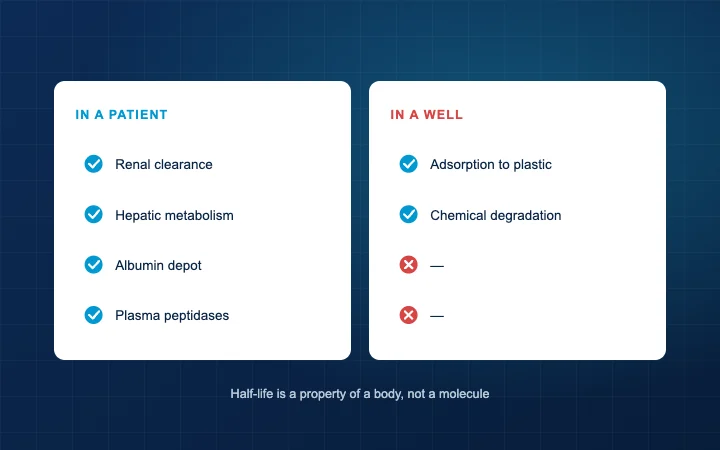
A weekly dosing schedule from a phase 2 trial tells you nothing about a concentration in a well. This post explains what half-life means without a circulatory system, why serum albumin changes free concentration, and how to read trial papers without importing the wrong numbers.
Read the post →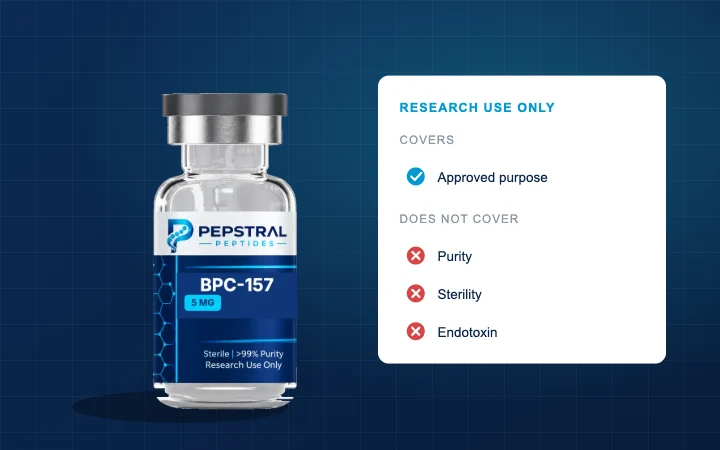
Every vial on this site carries the phrase, and it is a statement about regulatory status rather than a disclaimer. This post covers what RUO designates, what it does not certify, why the label appears on the vial as well as the page, and what it asks of a buyer.
Read the post →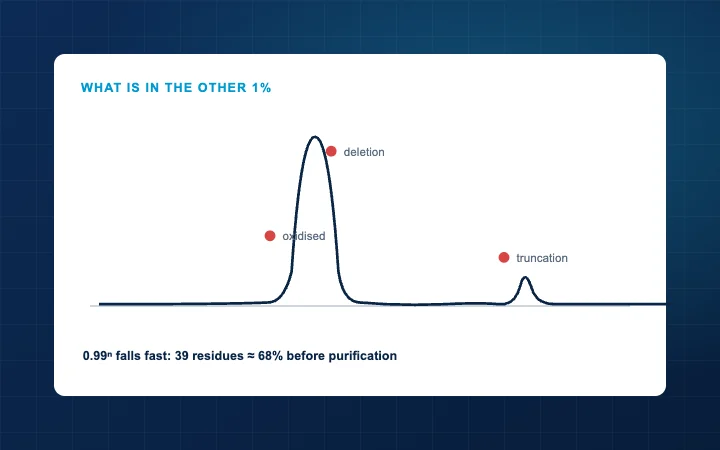
A 99% pure peptide has 1% of something else, and it is not random. This post covers deletion sequences, truncations, oxidised and deamidated forms, where each comes from in synthesis, and why the shape of the impurity profile matters more than the number.
Read the post →Sealed lyophilized vials keep for years at -20°C. Once water is added, the clock starts. The windows below are conservative defaults; the certificate for your lot is the authority.
| State | Temperature | Window |
|---|---|---|
| Lyophilized, sealed | -20°C, dark | 24 months |
| Lyophilized, sealed | 2-8°C | 6 months |
| Reconstituted with bacteriostatic water | 2-8°C | 28 days |
| Reconstituted, GLP-1 class | 2-8°C | 28 days, protect from light |
| Any state | Room temperature | Hours, not days |
One email when a new certificate is published, when a sold-out compound is back, or when a new compound is added. About twice a month, nothing else.

All products are sold for laboratory research use only. They are not drugs, foods, supplements or cosmetics, are not approved by the FDA, and are not intended to diagnose, treat, cure or prevent any disease, or for human or animal use. To continue, confirm that you are a qualified researcher or laboratory purchaser aged 21 or over.
Exit Your confirmation is stored for this browser session only. Terms of saleEnter your email and the code lands in your inbox, along with restock alerts and the certificate for every new lot before it is listed.
WELCOME15Applied at checkout on orders over $100. One per researcher.