from$60

Short peptide bioregulators studied for tissue-specific gene expression in ageing models. Most are two to four residues — Vilon is a dipeptide, Epithalon a tetrapeptide — and the series turns on exactly those small differences. Much of the published work originates with a single research group, so look for independent replication before drawing conclusions.
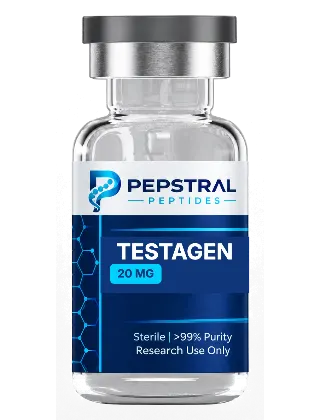
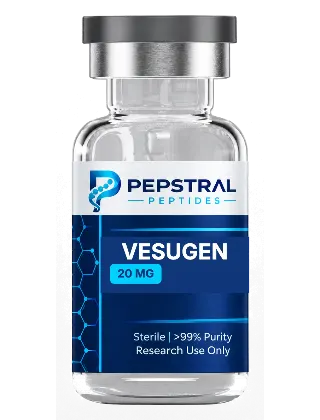
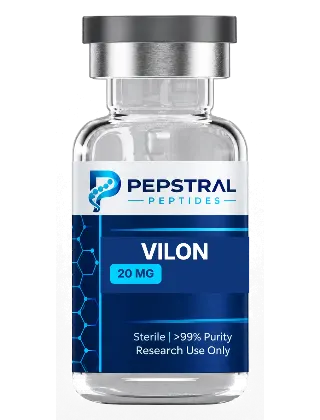
A very short peptide, typically two to four residues, from a body of work associating specific sequences with specific tissues. Epithalon (Ala-Glu-Asp-Gly) and Pinealon (Glu-Asp-Arg) are the best defined; some entries in the series are tissue preparations rather than single sequences.
Epithalon, Pinealon, Vilon, Vesugen and Testagen have stated sequences. Thymalin and Prostamax are described as preparations, so their composition is not standardised across suppliers — record supplier and lot in any methods section.
Limited. Much of it comes from one group, and independent replication is thin. Treat findings as preliminary and cite primary sources directly.
Vilon, a dipeptide of lysine and glutamate. Solubility, stability and transport all behave differently at that length, so do not carry handling assumptions over from the larger compounds.
Yes. Every lot in this category is tested for identity, purity and endotoxin, and the certificate is published before the vial is listed.
No. Sold for in-vitro laboratory research only.
Every product in this category is sold for in-vitro laboratory research only and is not for human or animal consumption, diagnostic or therapeutic use.
One email when a new certificate is published, when a sold-out compound is back, or when a new compound is added. About twice a month, nothing else.

All products are sold for laboratory research use only. They are not drugs, foods, supplements or cosmetics, are not approved by the FDA, and are not intended to diagnose, treat, cure or prevent any disease, or for human or animal use. To continue, confirm that you are a qualified researcher or laboratory purchaser aged 21 or over.
Exit Your confirmation is stored for this browser session only. Terms of saleEnter your email and the code lands in your inbox, along with restock alerts and the certificate for every new lot before it is listed.
WELCOME15Applied at checkout on orders over $100. One per researcher.