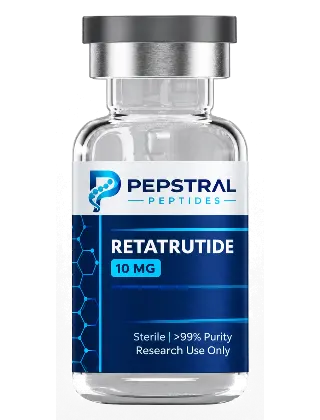
from$60

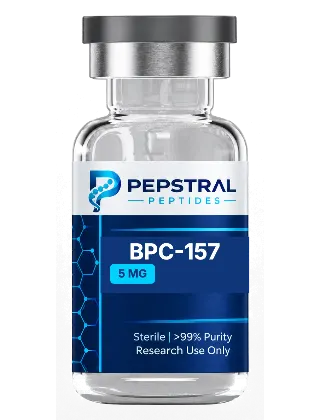
Peptides studied in tissue-repair, angiogenesis and cell-migration assays. BPC-157 and TB-500 are the pair this category is built around, and they work through genuinely different mechanisms, which is why they are so often run together.
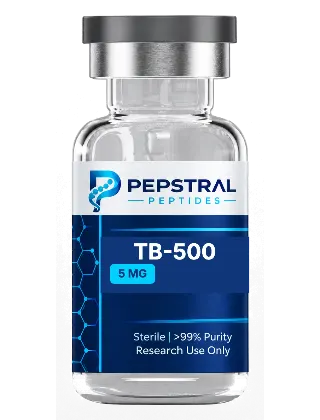
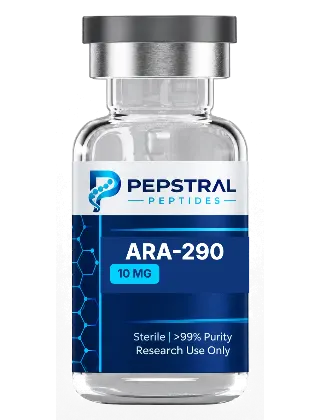
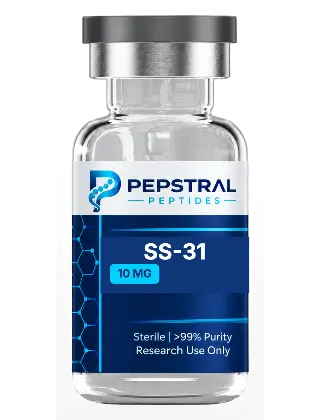
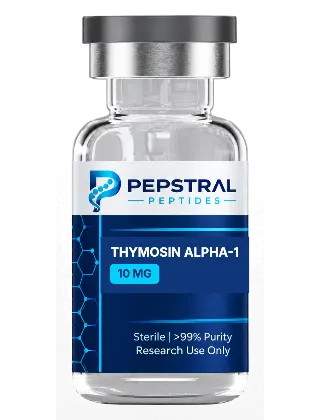
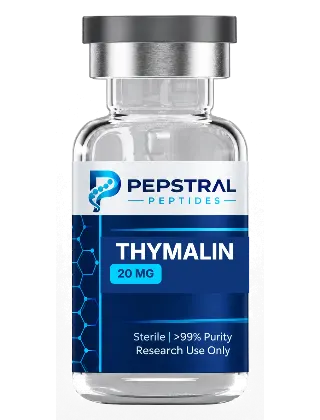
BPC-157 is a 15-residue sequence derived from a gastric protein, studied through growth-factor and vascular signalling. TB-500 is the 7-residue actin-binding fragment of thymosin beta-4, studied through actin dynamics and cell migration. Different targets, frequently compared side by side.
A co-lyophilized blend removes preparation variance when both are wanted at a fixed ratio. Separate vials keep the ratio adjustable, which matters when the ratio is itself a variable. Both options are here.
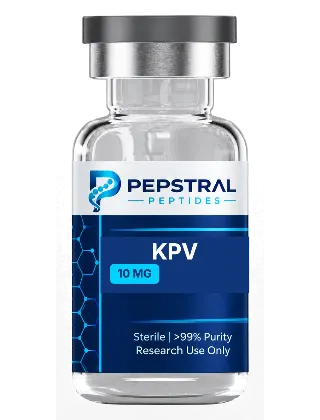
GHK-Cu appears in matrix-remodelling work and KPV in inflammatory signalling; both sit in adjacent categories but are often studied alongside these.
Reconstituted peptide is kept at 2-8°C and used within the window your protocol specifies. Sealed lyophilized vials are stored at -20°C. The storage guide covers both.
TB-500 is the short actin-binding fragment; thymosin beta-4 is the full 43-residue protein. This catalogue lists the fragment, and the product page gives its formula and mass.
No. Everything here is sold for in-vitro laboratory research only and is not for human or animal consumption.
Every product in this category is sold for in-vitro laboratory research only and is not for human or animal consumption, diagnostic or therapeutic use.
One email when a new certificate is published, when a sold-out compound is back, or when a new compound is added. About twice a month, nothing else.

All products are sold for laboratory research use only. They are not drugs, foods, supplements or cosmetics, are not approved by the FDA, and are not intended to diagnose, treat, cure or prevent any disease, or for human or animal use. To continue, confirm that you are a qualified researcher or laboratory purchaser aged 21 or over.
Exit Your confirmation is stored for this browser session only. Terms of saleEnter your email and the code lands in your inbox, along with restock alerts and the certificate for every new lot before it is listed.
WELCOME15Applied at checkout on orders over $100. One per researcher.