from$108

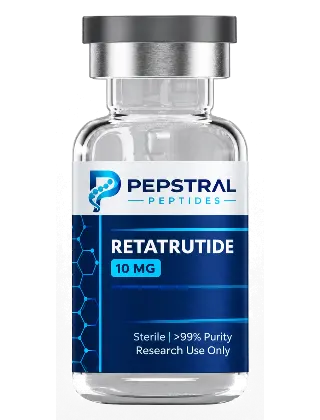
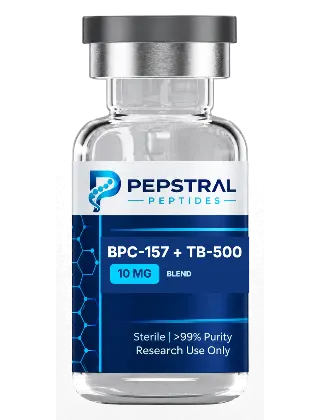
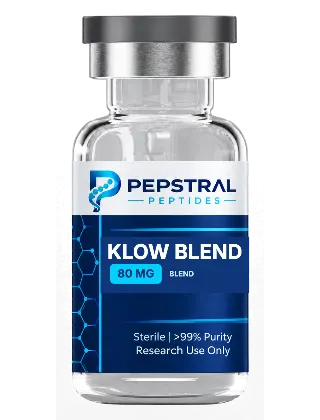
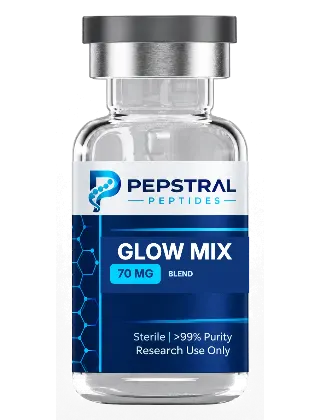
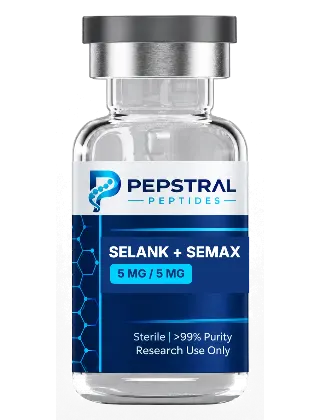
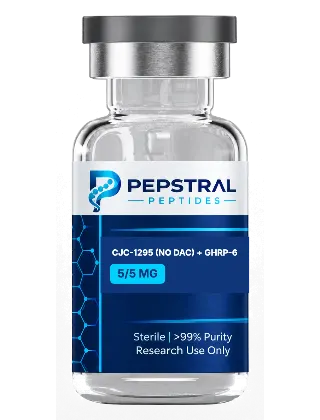
Two or more compounds lyophilized together in one vial at a fixed ratio, with a certificate that reports purity per component. A blend removes preparation variance; separate vials keep the ratio adjustable. Which one is right depends on whether the ratio is a variable in your design.
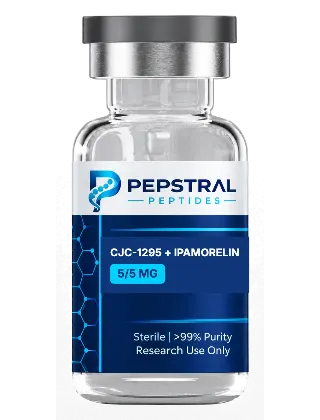
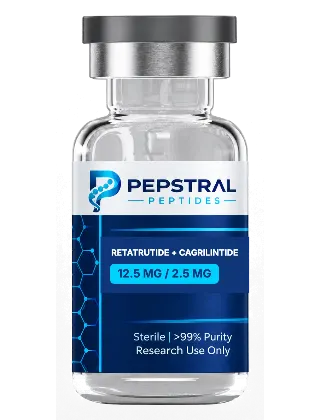
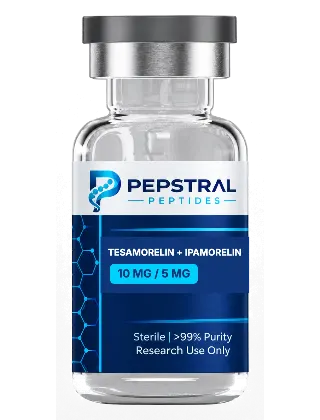
Whenever the ratio between components is something you intend to vary. A blend fixes it at manufacture. Buy the components separately in that case — most are listed individually in this catalogue.
Purity is reported per component, with each main peak integrated against the total, and identity needs an observed mass for each. A single purity figure for a multi-component vial does not mean anything on its own.
Usually, because there is one vial, one fill and one lot to test rather than two or more. The product page shows the blend price against the components.
KPV, GHK-Cu, BPC-157 and TB-500, co-lyophilized in one vial, with purity reported per component on the certificate.
The components are already mixed at a fixed ratio, so drawing a smaller volume takes all of them proportionally. It does not let you change the ratio.
No. Sold for in-vitro laboratory research only.
Every product in this category is sold for in-vitro laboratory research only and is not for human or animal consumption, diagnostic or therapeutic use.
One email when a new certificate is published, when a sold-out compound is back, or when a new compound is added. About twice a month, nothing else.

All products are sold for laboratory research use only. They are not drugs, foods, supplements or cosmetics, are not approved by the FDA, and are not intended to diagnose, treat, cure or prevent any disease, or for human or animal use. To continue, confirm that you are a qualified researcher or laboratory purchaser aged 21 or over.
Exit Your confirmation is stored for this browser session only. Terms of saleEnter your email and the code lands in your inbox, along with restock alerts and the certificate for every new lot before it is listed.
WELCOME15Applied at checkout on orders over $100. One per researcher.