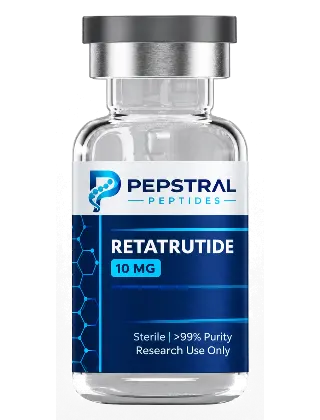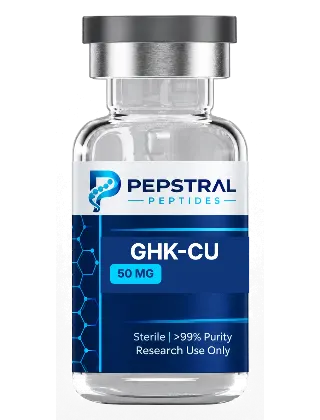
from$50

Copper peptides, mitochondrial-derived peptides and NAD+ precursors studied in cellular ageing, matrix remodelling and bioenergetics. The category spans genuinely different chemistry: GHK-Cu is a copper complex, MOTS-c and humanin are encoded in the mitochondrial genome, and NAD+ is a cofactor rather than a peptide at all.
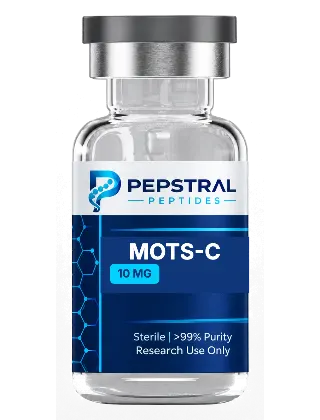
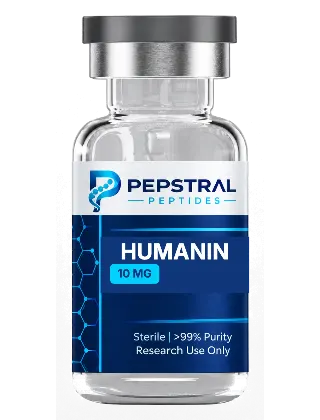
It is encoded within the mitochondrial genome rather than the nuclear one. MOTS-c and humanin are the two best-described examples, and they come from different regions and signal through different pathways.
The copper is part of the molecule as it is studied — the tripeptide binds Cu(II) with high affinity and the complex is what appears in the remodelling literature. Note it in a methods section, because copper is not inert in most assay systems.
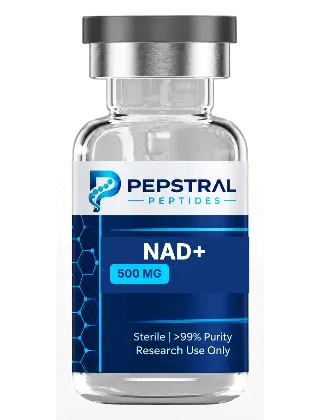
No. It is a dinucleotide cofactor. It is catalogued here because it appears in the same sirtuin and mitochondrial research as the peptides around it.
It is more sensitive to moisture and to repeated temperature cycling than the peptides here. Keep it sealed and cold, and prepare working solutions fresh.
It is an NNMT inhibitor and a small molecule, not a peptide. It sits here because it shares the adipocyte and NAD+ salvage research context.
No. Sold for in-vitro laboratory research only.
Every product in this category is sold for in-vitro laboratory research only and is not for human or animal consumption, diagnostic or therapeutic use.
One email when a new certificate is published, when a sold-out compound is back, or when a new compound is added. About twice a month, nothing else.
All products are sold for laboratory research use only. They are not drugs, foods, supplements or cosmetics, are not approved by the FDA, and are not intended to diagnose, treat, cure or prevent any disease, or for human or animal use. To continue, confirm that you are a qualified researcher or laboratory purchaser aged 21 or over.
Exit Your confirmation is stored for this browser session only. Terms of saleEnter your email and the code lands in your inbox, along with restock alerts and the certificate for every new lot before it is listed.
WELCOME15Applied at checkout on orders over $100. One per researcher.