from$65

Peptides studied for cognitive, mood and neuroprotective endpoints. Semax and Selank are the most-studied pair — both short sequences extended with a proline-glycine-proline tail for stability, but built from unrelated parent peptides. The literature in this category is thinner than in the metabolic one; cite primary sources.
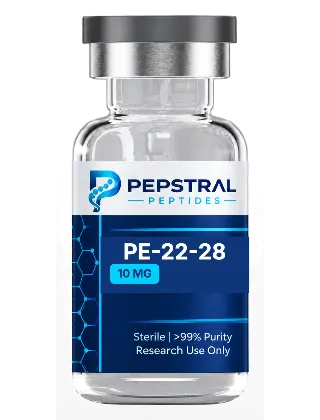
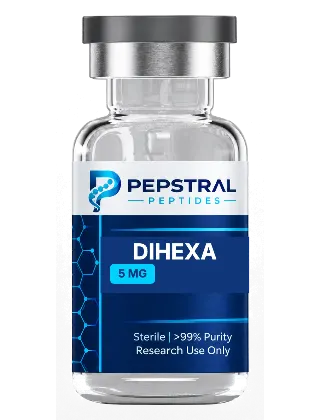
Only the design approach. Both carry a Pro-Gly-Pro tail that resists peptidase cleavage. Semax comes from ACTH (4-10) and is studied for BDNF and NGF expression; Selank comes from tuftsin and is studied for anxiolytic and neuroimmune signalling.
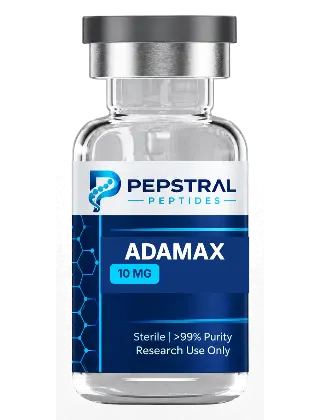
P-21 and Adamax. Both have limited published work and few independent replications. Record the supplier and lot, and read the primary sources rather than secondary summaries.
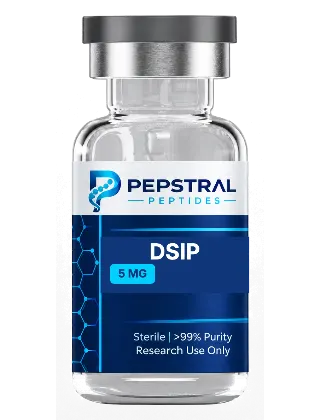
No. Despite decades of study no receptor has been definitively identified for delta sleep-inducing peptide, which is the single most important caveat when working with it.
No. The 4-10 fragment excludes the region responsible for corticotropic activity, which is what makes it useful for separating the two.
Blockade of the TREK-1 potassium channel. It is a truncated analogue of spadin, itself a fragment of the sortilin propeptide.
No. Sold for in-vitro laboratory research only.
Every product in this category is sold for in-vitro laboratory research only and is not for human or animal consumption, diagnostic or therapeutic use.
One email when a new certificate is published, when a sold-out compound is back, or when a new compound is added. About twice a month, nothing else.

All products are sold for laboratory research use only. They are not drugs, foods, supplements or cosmetics, are not approved by the FDA, and are not intended to diagnose, treat, cure or prevent any disease, or for human or animal use. To continue, confirm that you are a qualified researcher or laboratory purchaser aged 21 or over.
Exit Your confirmation is stored for this browser session only. Terms of saleEnter your email and the code lands in your inbox, along with restock alerts and the certificate for every new lot before it is listed.
WELCOME15Applied at checkout on orders over $100. One per researcher.