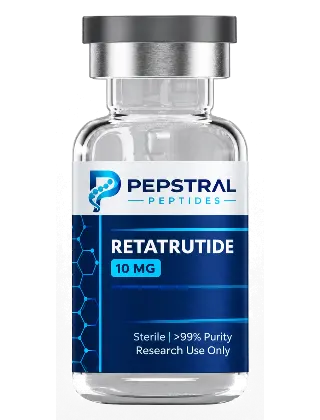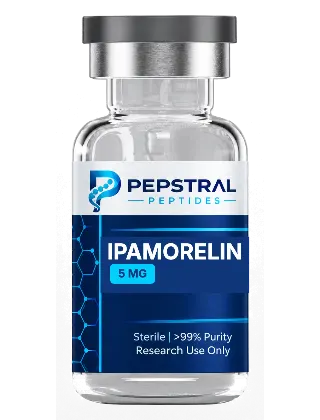
from$40

GHRH analogues and ghrelin-receptor secretagogues for pituitary-signalling research. The two classes act at different receptors on the same axis, which is why so many study designs pair one of each.
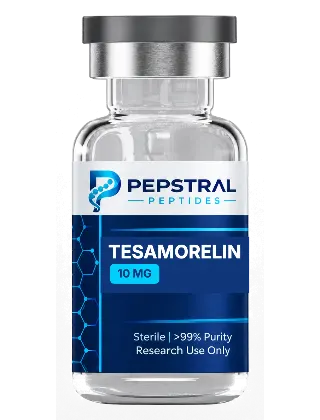
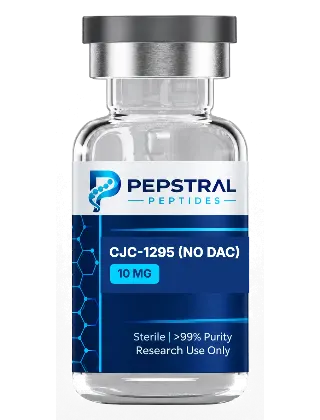
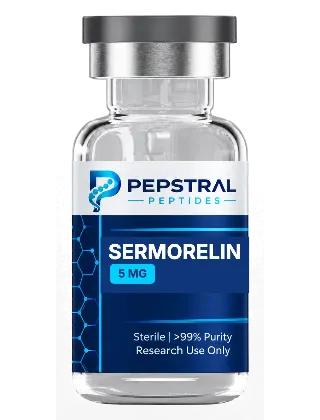
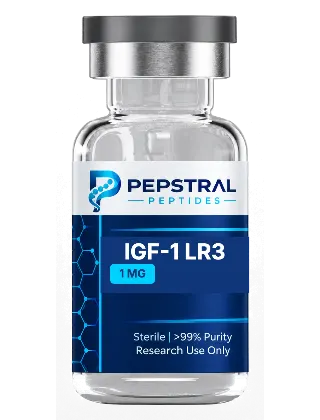
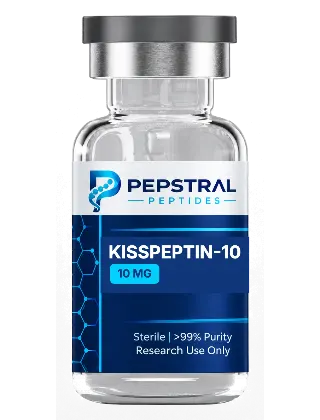
GHRH analogues — sermorelin, tesamorelin, the CJC-1295 forms — act at the growth-hormone-releasing-hormone receptor. Secretagogues such as ipamorelin act at the ghrelin receptor. Because the receptors are distinct, a combination separates additive effects from independent ones.
The drug affinity complex binds albumin and stretches the half-life from minutes to days. The no-DAC form, also called modified GRF (1-29), is used where a pulse rather than a plateau is wanted.
It acts at the ghrelin receptor without the cortisol and prolactin release seen with earlier secretagogues, which keeps a comparison clean.
Sermorelin — the first 29 residues of GHRH, the shortest fragment that keeps full receptor activity. The CJC-1295 forms are built on that same backbone.
No. The CJC-1295 blends here use the no-DAC form. Each product page states which.
No. Sold for in-vitro laboratory research only.
Every product in this category is sold for in-vitro laboratory research only and is not for human or animal consumption, diagnostic or therapeutic use.
One email when a new certificate is published, when a sold-out compound is back, or when a new compound is added. About twice a month, nothing else.

All products are sold for laboratory research use only. They are not drugs, foods, supplements or cosmetics, are not approved by the FDA, and are not intended to diagnose, treat, cure or prevent any disease, or for human or animal use. To continue, confirm that you are a qualified researcher or laboratory purchaser aged 21 or over.
Exit Your confirmation is stored for this browser session only. Terms of saleEnter your email and the code lands in your inbox, along with restock alerts and the certificate for every new lot before it is listed.
WELCOME15Applied at checkout on orders over $100. One per researcher.