from$105

Third-party tested and shipped same day from the USA. Lot certificates are published before the vial is listed, so the number on the label is the number in the report. Where a certificate is still pending we say so on the product page.
Questions before you order? support@pepstral.com
Forty-eight compounds across seven categories, each synthesized to order and verified against a lot-matched certificate of analysis.
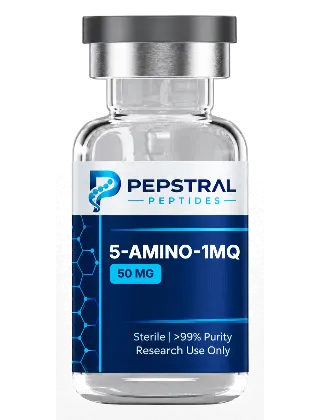
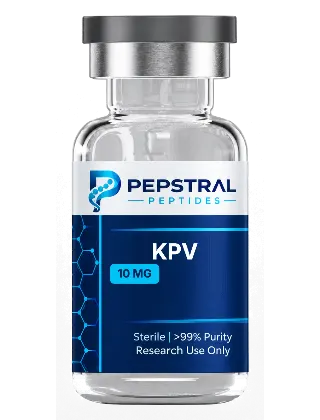
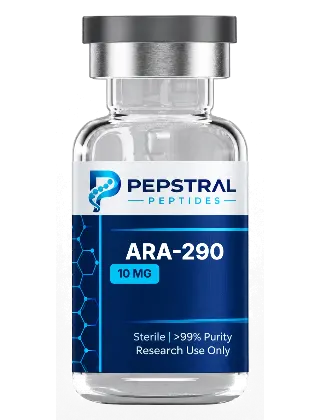
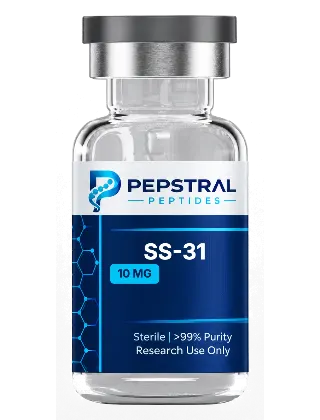
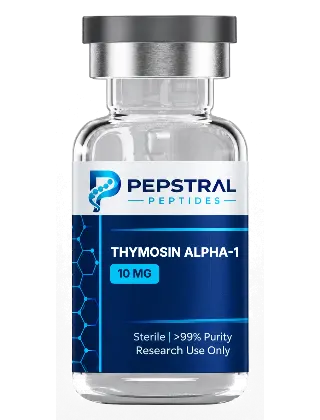
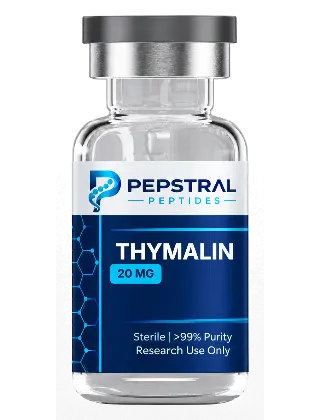
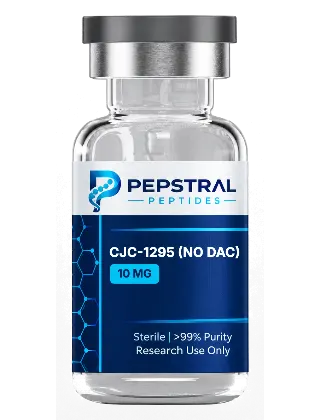
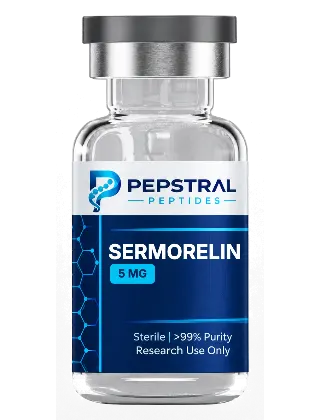
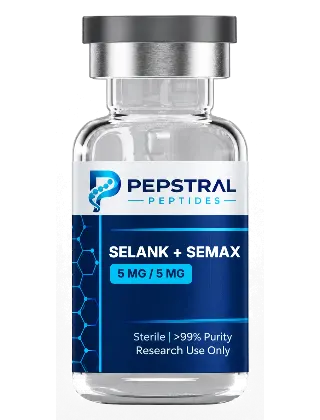
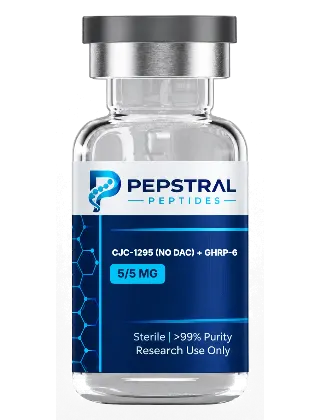
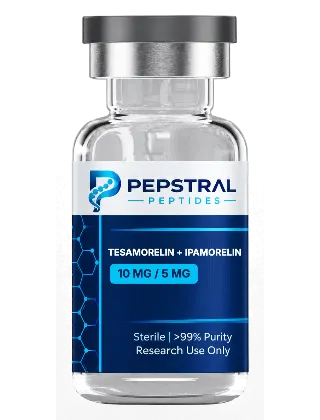
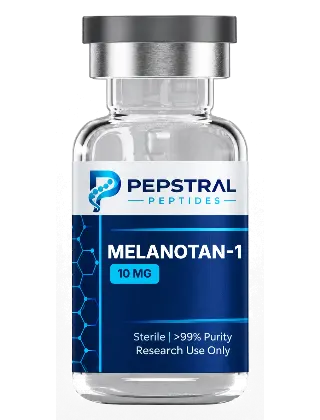
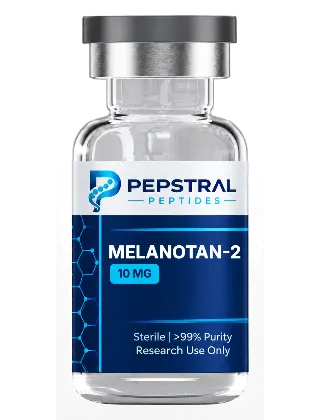
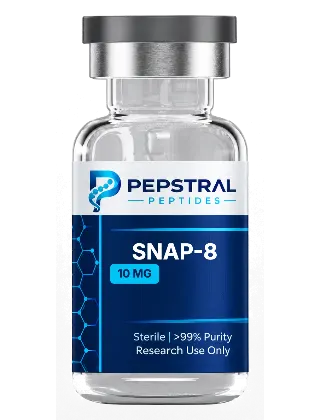
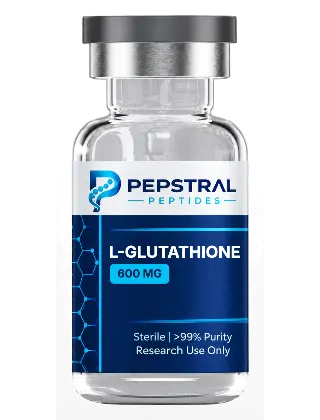
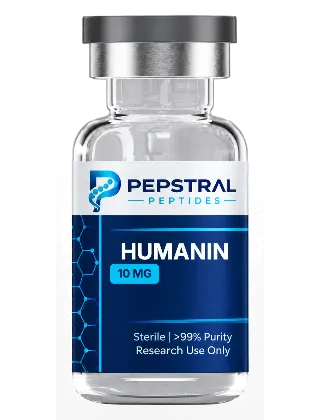
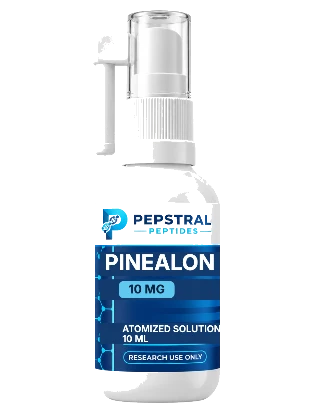
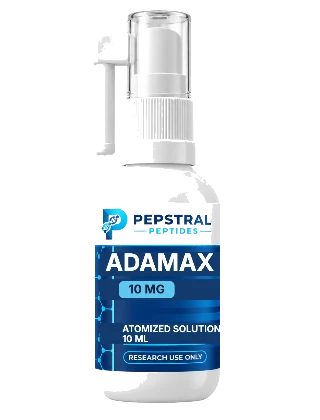
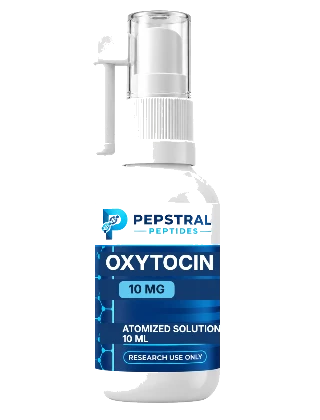
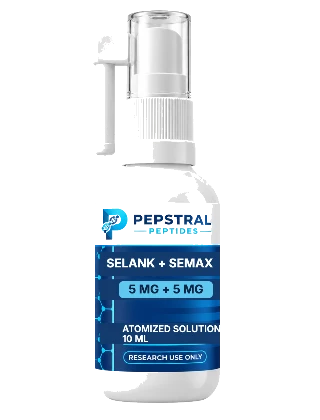
No compound matches that name.
Purity is one number. Lots go to an independent US laboratory, and the certificate it issues reports each result below. Across the certificates on file, the report follows the sample by a median of 6 days. For how other vendors document the same things, read the 22-site vendor website benchmark.
The laboratory logs the lot and the date. Both are printed on the certificate.
Mass spectrometry, LC-MS/MS or MALDI-MS, confirms the molecular weight matches the named compound.
HPLC quantitation reports the milligrams of peptide actually in the vial, not the gross weight.
Reversed-phase HPLC at 214 nm, reported as the percentage on the certificate.
Tested against USP <85>. Current certificates read below 0.05 EU/mL.
USP <232>. HPLC and mass spectrometry are blind to these; current certificates read below 0.01 ppm.
USP <71>, reported as Not Detected on the certificates that include it.
Signed by the laboratory's principal chemist with a web verification code, then published in the COA library.
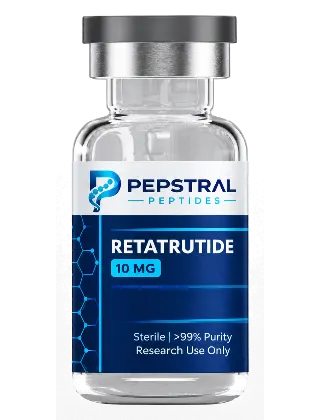
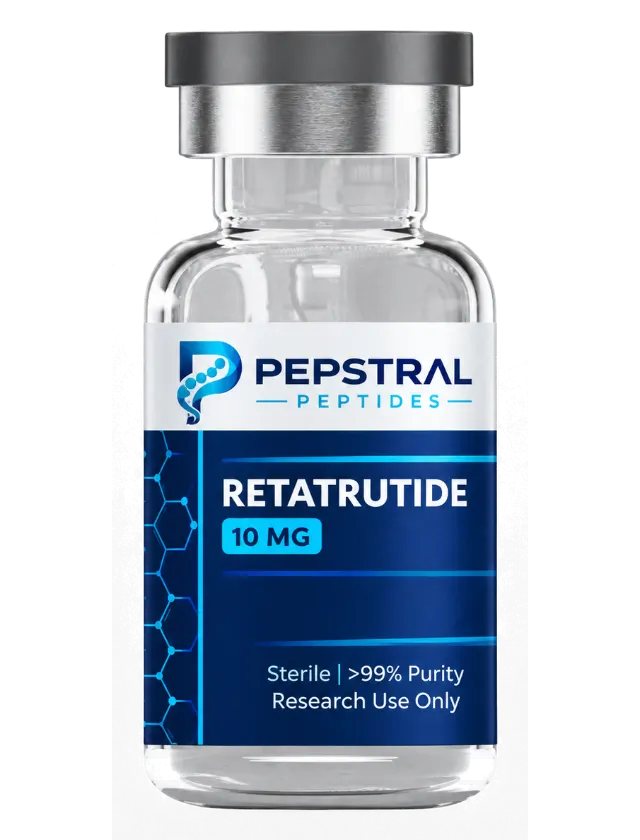
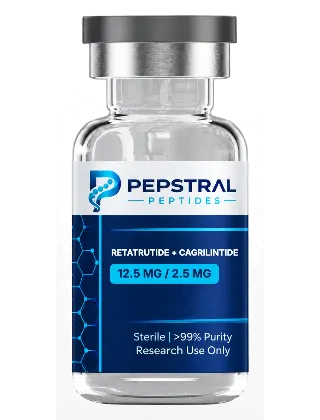
Triple-agonist research peptide with GIP, GLP-1 and glucagon receptor activity in a single lot-matched vial. Synthesized by solid-phase synthesis, verified to ≥99% by mass spectrometry, backed by a downloadable certificate for every lot.
Forty-eight compounds across seven categories. Every card shows the current lot purity and the lot number, so you compare certificates rather than marketing.
+What does 99% purity actually mean?One checkbox at checkout, verified once per account, usually the same day. It keeps the catalog research-only, and it keeps us shipping.
+Who can order?The certificate for your exact lot is already in the library: identity by LC-MS/MS, purity by RP-HPLC at 214 nm, endotoxin by LAL against USP <85>. The number on the label is the number in the report.
+How do I read a certificate?Orders before 2pm Eastern leave our US facility that afternoon with tracking. Sealed vials travel at ambient temperature, which is what lyophilized powder is stable at.
+Do you ship internationally?Every lot we publish is tested by a US laboratory we do not own, and the certificate is published before the vial is listed. Orders ship from a US facility with tracking.
See how we work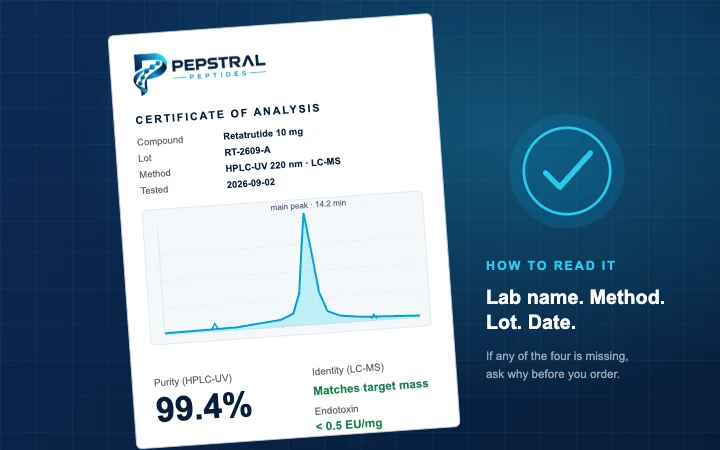
What HPLC purity, LC-MS identity and endotoxin numbers mean, and the three lines most COAs leave out.
Read the guide →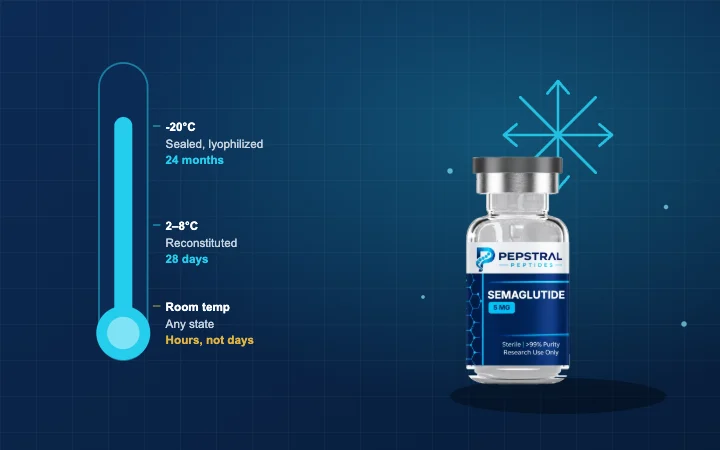
Freezer, fridge or bench: a table of storage windows before and after reconstitution.
Read the guide →
A due-diligence checklist for sourcing PEP-RTA-3 as a research reagent — certificate, lot linkage, content versus label, vial size arithmetic, and what price differences usually encode.
Read the post →
Reta, reta/cagri, RETA10-0803. What the abbreviations on a PEP-RTA-3 label and lot code actually encode, and which parts are vendor shorthand rather than chemistry.
Read the post →
C221H342N46O68 and 4731.2 g/mol. What a mass spectrum confirms about PEP-RTA-3 identity, what the charge-state envelope means, and what identity testing cannot rule out.
Read the post →
Purity, content and retention time across eleven published PEP-RTA-3 lots. Every lot overfilled, purity between 99.70% and 99.9%, and retention time tracking the batch rather than the material.
Read the post →Lots are sent to an independent US laboratory for identity by LC-MS, purity by HPLC-UV and endotoxin screening before listing. Where a certificate is still pending, the product page says so. The certificate for each lot is published in the COA library, and the lot number on your vial matches the certificate.
Purity is the share of the peptide-related material in the vial that is the target sequence, measured by HPLC-UV. It does not tell you the net peptide content, sterility or endotoxin level, which is why we test and publish those separately.
Orders placed before 2pm Eastern on a business day ship the same day from our US facility with tracking. Orders over $1,000 ship free.
No. Every product on this site is sold for in-vitro laboratory research only and is not for human or animal consumption. Orders require confirmation that the buyer is a qualified researcher or laboratory.
Store sealed vials at -20°C away from light. After reconstitution, keep at 2-8°C and use within 28 days, our default for a preserved solution.
Limited time
Applied automatically at checkout — no code needed.
One email when a new certificate is published, when a sold-out compound is back, or when a new compound is added. About twice a month, nothing else.