
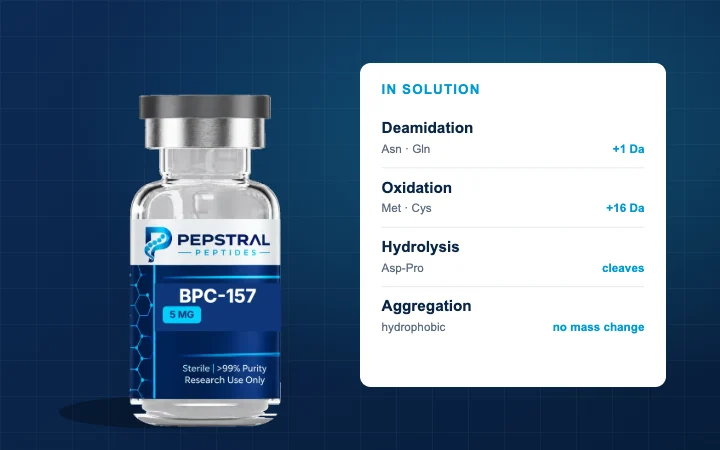
Why tripeptides behave differently in solution
Most peptide handling advice is written for chains long enough to fold. At three residues there is no structure to lose, which removes some problems and introduces others.
Read the post →
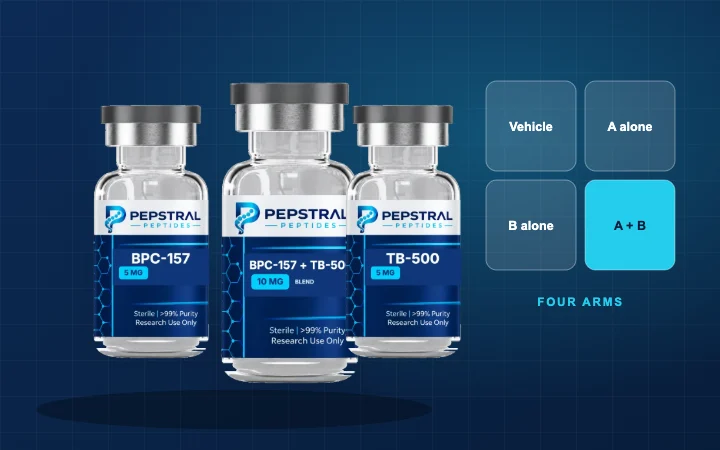
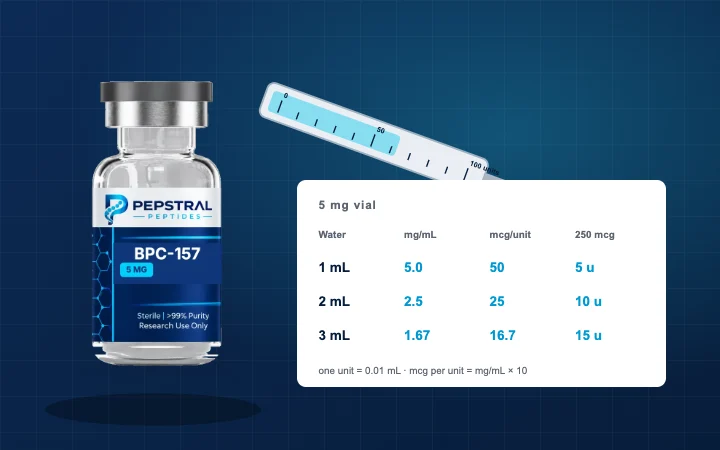
Most peptide handling advice is written for chains long enough to fold. At three residues there is no structure to lose, which removes some problems and introduces others.
Read the post →
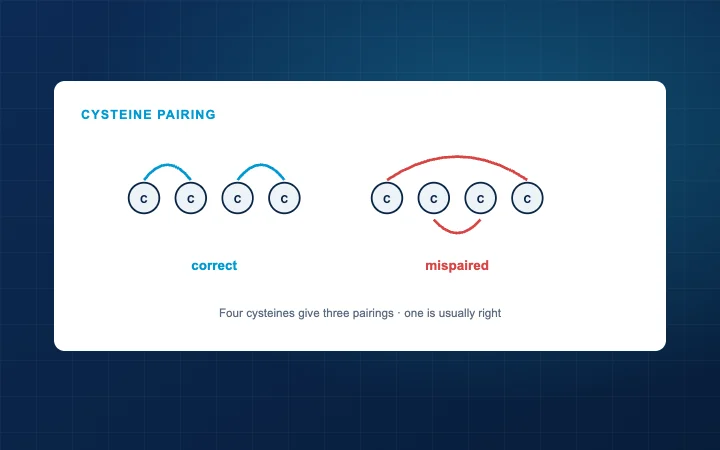
Co-formulating two peptides only works if neither destabilises the other. These two share a design feature that makes them unusually compatible — and the reasons are specific enough to be worth checking against any blend.
Read the post →
A lyophilised vial and a ready-made solution are two different trade-offs, not a better and a worse option. What you gain in fixed concentration you give up in shelf life, and which matters depends on the work.
Read the post →
Glutathione is defined by a thiol group that wants to give up an electron. Once in solution it pairs off into the disulphide GSSG, and the ratio between the two is the single most useful number about the material.
Read the post →
One sulphur-sulphur bond closes the ring that makes oxytocin what it is. It is also the least stable thing in the molecule, and the reason the storage instruction reads the way it does.
Read the post →The blog covers buying, handling and research-design questions as they come up. The evergreen material lives in the guides: reading a certificate of analysis, storage and stability, one research guide per compound and the glossary.
New posts publish to the RSS feed. Every post is written for laboratory research use only and links to the lot certificate for any product it mentions.
One email when a new certificate is published, when a sold-out compound is back, or when a new compound is added. About twice a month, nothing else.
All products are sold for laboratory research use only. They are not drugs, foods, supplements or cosmetics, are not approved by the FDA, and are not intended to diagnose, treat, cure or prevent any disease, or for human or animal use. To continue, confirm that you are a qualified researcher or laboratory purchaser aged 21 or over.
Exit Your confirmation is stored for this browser session only. Terms of sale